Entry · Ref THTIU-XN
How to Prepare for Your Dental Crown Appointment
- Posted
- 2026-11-04
- Last amended
- 2026-11-04
- Account
- @dominickpyhc304
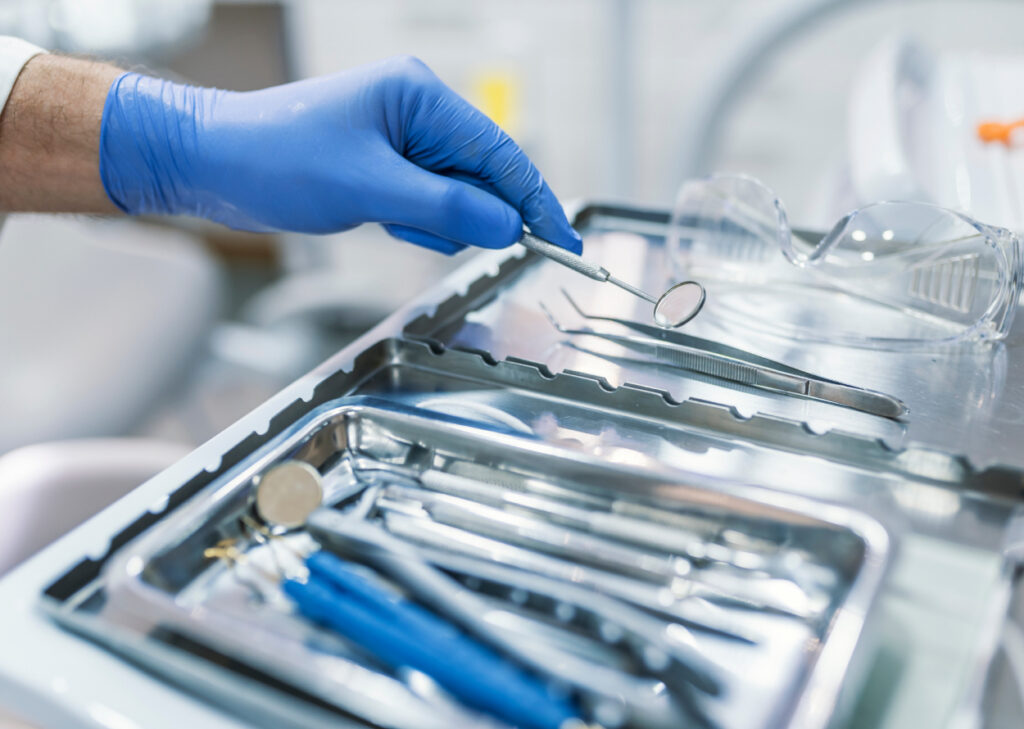
A dental crown appointment is routine dentistry, but it rarely feels routine when you are the one in the chair. Most patients arrive with the same mix of practical questions and low-grade worry. Will it hurt? How long will it take? Can I drive afterward? What if I grind my teeth, have a gag reflex, or have not been to the dentist in a while?
The good news is that preparing for a crown is usually straightforward. A little planning makes the visit smoother, helps the dentist work more efficiently, and often leaves you more comfortable during the hours after the appointment. That matters because a crown is not just another cleaning or quick filling. It is a restorative treatment designed to protect a damaged tooth, restore strength, and improve how you bite and chew. When done well, it can serve you for many years.
Preparation starts with understanding what kind of visit you are walking into. A dental crown, put simply, is a custom cap that covers a tooth. Dentists recommend crowns for several common reasons: a tooth has a large cavity that cannot hold another filling, a crack needs reinforcement, a root canal has left the tooth more fragile, or the tooth is badly worn, misshapen, or discolored. Some crowns are also part of implant and bridge treatment. The details of your appointment depend on why the crown is needed, what material is being used, and whether your office offers same-day fabrication or a temporary crown with a second placement visit.
That last point catches people off guard more often than it should. Many assume one appointment means one finished crown. In reality, traditional crowns often involve two visits. At the first visit, the tooth is prepared, impressions or digital scans are taken, and a temporary crown is placed. At the second, the final crown is tried in and cemented. Same-day systems can condense that timeline, but not every office uses them and not every case is a good candidate. If you are unclear on the plan, ask before appointment day rather than while wearing a bib and wondering why the dentist is discussing a temporary.
Know what kind of appointment you have
If there is one thing worth sorting out early, it is the shape of the visit itself. Ask the office whether your crown will be completed in one visit or two, how long they have blocked on the schedule, and whether you should expect local anesthetic. Patients often assume that if they are not in pain, numbness may not be necessary. For crown preparation, though, anesthetic is commonly used because the dentist must shape the tooth, and that work can be sensitive even if the tooth has not been bothering you at home.
It also helps to ask whether any additional treatment is likely. Sometimes the dentist does not know the full condition of the tooth until removing old filling material or decay. A tooth that looked crown-ready on an X-ray may reveal a deeper crack or extensive decay once cleaned out. In a small but real number of cases, that changes the plan and leads to a recommendation for a buildup, a different crown design, or referral for root canal treatment. Most visits go as expected, but the possibility of a detour is not unusual. It is better to hear that in plain language ahead of time.
Eat strategically, not heavily
If your appointment will involve anesthetic, eat beforehand unless the office has told you otherwise. This sounds obvious, but many people skip meals because they feel nervous. Then they leave numb, hungry, and unable to chew comfortably for several hours. A solid meal one to two hours before the appointment can make the day easier.
What you eat matters more than most people realize. Choose something filling but not messy, sugary, or difficult to clean from your teeth. Oatmeal, eggs, yogurt, rice, pasta, soup, or a sandwich are all sensible choices depending on the time of day. If you are prone to low blood sugar, lightheadedness, or dental anxiety, do not show up on an empty stomach. On the other hand, avoid a huge meal if you know you feel uncomfortable lying back with a full stomach or if you have a strong gag reflex.
There is one notable exception. If your office has prescribed sedation beyond standard local anesthetic, follow their eating and drinking instructions exactly. Oral sedatives and IV sedation have different rules. Do not improvise. If the instructions say no food after a certain hour, treat that as a medical requirement, not a suggestion.
Get clear on medications and health conditions
This is the point where routine preparation becomes important. Dentists need an accurate medication list and a current picture of your health. If you take blood thinners, medicine for diabetes, medications that cause dry mouth, or drugs that affect bone health, the office should know before the appointment. The same is true if you are pregnant, have had recent heart procedures, have a history of joint replacement complications, or are undergoing active cancer treatment.
Most crown appointments do not require stopping medication, and patients should never stop prescribed drugs on their own. Still, certain conditions change how the team plans anesthetic, timing, pain control, and aftercare. Even over-the-counter supplements matter. Fish oil, garlic capsules, and some herbal products can increase bleeding tendencies. It usually does not Dental Crowns create major issues for crown work, but it is information your dentist should have.
If you have had trouble getting numb in the past, say so before the appointment begins. That kind of detail is easy to forget until the handpiece starts. Some people metabolize anesthetic differently, some have inflamed teeth that are harder to anesthetize, and some simply need a few extra minutes and a second carpule. Experienced dentists would much rather hear about a previous rough appointment upfront than midway through tooth preparation.
Plan for the numbness afterward
Patients focus so much on the procedure that they forget the practical aftermath. If the crown is on a lower molar, your tongue and lip may stay numb for two to four hours, sometimes longer. Upper teeth often leave the cheek and side of the face feeling heavy or strange. That numbness is not dangerous, but it can make simple tasks awkward.
Try not to schedule a business lunch, a first date, a speech, or an important video call immediately after the visit. Talking clearly while half your mouth is numb is harder than people expect. Eating is possible once you are careful, but biting your cheek is common, especially if you rush. Parents should be particularly careful with children and teens, who tend to test the numb feeling with their teeth.
If you have a crown preparation on a front tooth, be prepared for temporary changes in appearance if a temporary crown is placed. Temporary materials can look quite good, but they are not always perfect replicas of the final restoration. That is normal. If appearance matters for an event, travel, photographs, or public-facing work, mention it before treatment so the office can help you time the appointment appropriately.
A few things worth bringing with you
You do not need to arrive with a suitcase, but a little forethought helps. For most patients, the most useful items are:
- A current list of medications and allergies
- Dental insurance information and a photo ID, if needed
- Headphones if music or a podcast helps you relax
- Lip balm, because retractors and dry air can leave lips chapped
- A small snack for later, if your dentist says eating afterward will be fine
That last item is surprisingly helpful if you have a long drive home or a packed Dental Crowns afternoon. Choose something soft and easy to chew on the opposite side if you will be numb or wearing a temporary crown.
Dress for a longer visit than you think
Crown appointments are not usually dramatic, but they can be longer than a standard filling. Even an efficient preparation may run 60 to 90 minutes, and more complex cases can take longer. Wear comfortable clothing, skip bulky collars if they bother you, and bring a sweater if you tend to feel cold. Many dental offices run cool, and sitting still for an hour can make that more noticeable.
This is also the day to choose practicality over presentation. Heavy lipstick can get messy. Contact lenses can feel dry during long visits. If you clench when anxious, tell the team, because jaw fatigue is common during crown work and breaks can help. None of these details changes the treatment, but they change your experience of it.
Understand what the dentist is actually doing
When patients know the broad steps, they usually feel more settled. For a traditional crown appointment, the tooth is numbed, isolated, and shaped so the crown can fit over it properly. Any decay or old restorative material that needs replacement is addressed first. If the tooth is badly broken down, the dentist may build it up with filling material to create a stronger foundation. Then impressions or digital scans are taken, your bite is recorded, and a temporary crown is placed while the lab makes the final one.
This helps explain a few sensations that otherwise feel mysterious. The vibration and water spray from the drill are normal. So is pressure. Sharp pain is not something you should quietly endure. Pressure alone, even fairly strong pressure, does not mean something is wrong. A patient once described crown prep accurately as "a lot of pushing and noise, but not actual pain." That is what a well-managed visit often feels like.
If you are receiving a same-day crown, the workflow changes slightly. The office may scan the tooth, design the crown digitally, mill it in-house, and then bond or cement it the same day. This can save time overall, but the appointment itself may be longer because design and fabrication happen while you wait.
If you are anxious, say it plainly
Dental anxiety does not need to be dramatic to matter. You do not have to be white-knuckling the armrest for the team to adjust their approach. If you get tense, have a sensitive gag reflex, dislike the sound of instruments, or need occasional pauses, say so at the start. Dentists hear this every day, and useful specifics help more than vague reassurance.
A patient who says, "I am mostly okay, but I panic when I feel like I cannot swallow," gives the team something actionable. They can sit you up briefly, use stronger suction, talk through steps before they happen, and avoid surprises. A patient who says, "I had a bad numbing experience once and I am worried about that again," gives the dentist a chance to slow down and check comfort carefully before starting.
For some patients, anxiety management may include nitrous oxide, an oral sedative, or simply scheduling the appointment at a better time of day. Morning appointments tend to work well for people who get more wound up as the day goes on. Others prefer afternoon because they dislike rushing through traffic or childcare logistics. There is no universal best choice, only the one that lowers friction for you.
Temporary crowns deserve more respect than they get
If your treatment involves a temporary crown, think of it as functional but fragile. Temporary cement is designed to hold it in place for a short period, not forever. The material itself is usually less strong than the final crown. Patients often hear "temporary" and assume that means carefree. It means the opposite.
Chewy foods are the biggest troublemakers. Caramel, gum, taffy, crusty bread, sticky granola bars, and even dense bagels have a talent for lifting temporary crowns. Hard foods can crack them. Flossing also changes slightly. Instead of snapping floss upward between the teeth, slide it out to the side to reduce the chance of dislodging the temporary. If it does come off, call the office. In many cases it can be recemented, and it is better to address that quickly than leave the prepared tooth exposed.
Some sensitivity to cold or pressure with a temporary crown is common. So is a different bite feel for a day or two as the anesthetic wears off and you become more aware of the area. Severe pain, persistent throbbing, or a bite that feels obviously too high deserves a phone call.
Think about transportation if sedation is involved
For a standard crown appointment with local anesthetic only, most adults can drive themselves home without issue. If you are having nitrous oxide, many offices still allow patients to drive afterward once they recover, but policies vary. Oral sedation is different. If you are taking a sedative tablet, even a mild one, plan on having a responsible adult drive you and stay available. Do not try to judge this for yourself on the day of treatment.
Sedation instructions are one of the easiest parts of pre-appointment planning to get wrong because people feel embarrassed asking for clarification. Ask anyway. It is much easier to sort out rides, fasting rules, and timing the day before than from the parking lot.
Cost and insurance should be settled before the anesthetic
Financial uncertainty is one of the most avoidable stressors around Dental Crowns. Coverage varies widely. Some plans cover crowns at a high percentage when they are medically necessary, others apply waiting periods, frequency limits, downgraded fee schedules, or exclusions for certain materials. Even when insurance contributes, out-of-pocket costs can still be significant.
Try to get a written estimate before the appointment. It may not be perfect, because insurance carriers do not always behave predictably, but it should give you a practical range. Ask whether the estimate includes core buildup, temporary crown fees, digital scans or impressions, and final cementation. Those details matter. A treatment coordinator who is used to these questions can save you a lot of uncertainty.
Patients sometimes delay the financial conversation because they do not want to seem difficult. In practice, the opposite is true. Clear expectations make the clinical visit go more smoothly because you are not making hurried payment decisions while numb and tired.
The night before and the morning of
Preparation does not need to be elaborate. The best routine is usually the simplest. Brush and floss thoroughly, get decent sleep, and avoid arriving dehydrated. If you tend to breathe through your mouth when nervous, dry mouth can make a long appointment more uncomfortable. Drink water beforehand unless your sedation instructions say otherwise.
Skip alcohol the night before if you can. It dehydrates you, can worsen sleep quality, and is not helpful if you are already tense. If you are the kind of person who doubles your coffee when stressed, consider scaling back. Caffeine and anxiety often amplify each other in the dental chair, and a crown visit is long enough without adding a racing heart to the mix.
Try to arrive a bit early. Not thirty minutes early unless the office has asked for that, but enough to complete paperwork, confirm any changes in your health, and settle in without starting the appointment flustered. Running in late with a half-finished coffee is a poor setup for sitting still with your mouth open.
Questions that make the appointment easier
Most patients do not need a long list of questions. A few well-chosen ones tend to cover the essentials:
- Will this be a one-visit crown or will I need a temporary?
- How long should I expect to be numb afterward?
- Is there anything I should avoid eating once I leave?
- What should I do if the temporary crown comes off?
- When should I call if I have pain or my bite feels off?
Those five answers usually give you everything needed for the first 48 hours. They also reveal whether your office is proactive about aftercare, which is often a good sign.
What to expect once you are home
Mild soreness around the gumline is common after a crown preparation. The dentist often works close to the gums, and the temporary crown can leave the area a little tender. Some people have minor jaw fatigue from holding open. Over-the-counter pain relievers are usually enough unless your dentist advises otherwise. If you have restrictions on ibuprofen, acetaminophen, or similar medications, discuss alternatives before the appointment.
Your bite should feel reasonably normal once the numbness wears off. Not identical to your natural tooth perhaps, especially with a temporary, but close. If one spot hits first every time you close, that is worth attention. A high temporary crown can make the tooth feel sore quickly because it absorbs too much force. Patients sometimes wait a week hoping it will settle. It rarely does. A quick adjustment is easier and more comfortable.
When the final crown is placed, a short adjustment period is still normal. Your mouth is very good at noticing microscopic changes, especially on chewing surfaces. A crown can be technically correct and still feel "different" for a few days simply because it is new. Persistent bite interference, floss shredding, pressure pain, or sensitivity that increases rather than decreases should be checked.
When preparation matters most
Some crown appointments are very routine. Others deserve extra planning. If the tooth has broken recently, if you already have pain to hot or cold, if you clench or grind at night, or if the tooth is one that has had repeated work over the years, mention all of that. Those details shape expectations. A heavily restored molar behaves differently from a front tooth with cosmetic concerns. A crown on a tooth after root canal treatment raises different issues than a vital tooth with a fresh crack.
That is where experienced judgment matters. Dentistry is not assembly-line work. Two patients can both be told they need crowns and have entirely different appointments. One may be in and out with a smooth prep and a comfortable temporary. Another may need more anesthetic, a buildup, gum tissue management, or follow-up because the tooth was more compromised than expected. Preparing well does not guarantee a perfectly easy visit, but it gives you a better chance of one.
The simplest way to think about the whole process is this: come informed, come fed if allowed, come on time, and come ready to tell the team what helps you. Dental Crowns are one of the most common and useful restorations in practice. The visit is far less intimidating when you know what will happen and what your role is before, during, and after the appointment. That kind of preparation turns a stressful unknown into a manageable part of protecting a tooth that still has good years left in it.
Simple Dental South Gate
Address: 8617 California Ave, South Gate, CA 90280
Phone number: +13236896118
FAQ About Dental Crowns
How much do crowns cost per tooth?
In the United States, a single dental crown typically costs between $800 and $2,500 per tooth without insurance. The ultimate out-of-pocket price depends heavily on the crown material, the location of the tooth, and whether you have dental insurance coverage.
What is the downside of crowns on teeth?
The primary downside of a dental crown is that the procedure permanently removes natural tooth enamel to shape the tooth for the cap.
Why do dentists push for crowns?
Dentists recommend crowns because a large filling cannot provide enough strength when a tooth loses a major portion of its structure or faces heavy chewing pressure.